
Search New Jersey Police Blotter Records
New Jersey police blotter records are public documents kept by law enforcement agencies in all 21 counties. A police blotter is a log of calls, arrests, and incidents that each department tracks on a daily basis. These records list the type of crime, time, location, and details of any arrest made. You can search New Jersey police blotter entries through local police departments, county offices, or state portals. Most blotter data is free to view. This guide shows you how to find and request police blotter records across New Jersey.
New Jersey Police Blotter Quick Facts
What Is a New Jersey Police Blotter
A police blotter is a daily log of law enforcement activity. It tracks calls for service, arrests, and reported crimes. Each entry in a New Jersey police blotter shows the date, time, type of call, and location. When an arrest is made, the blotter includes the name, age, and residence of the person charged. It also notes the charges filed and the circumstances of the arrest. Police blotters are kept at every municipal department and county office in the state.
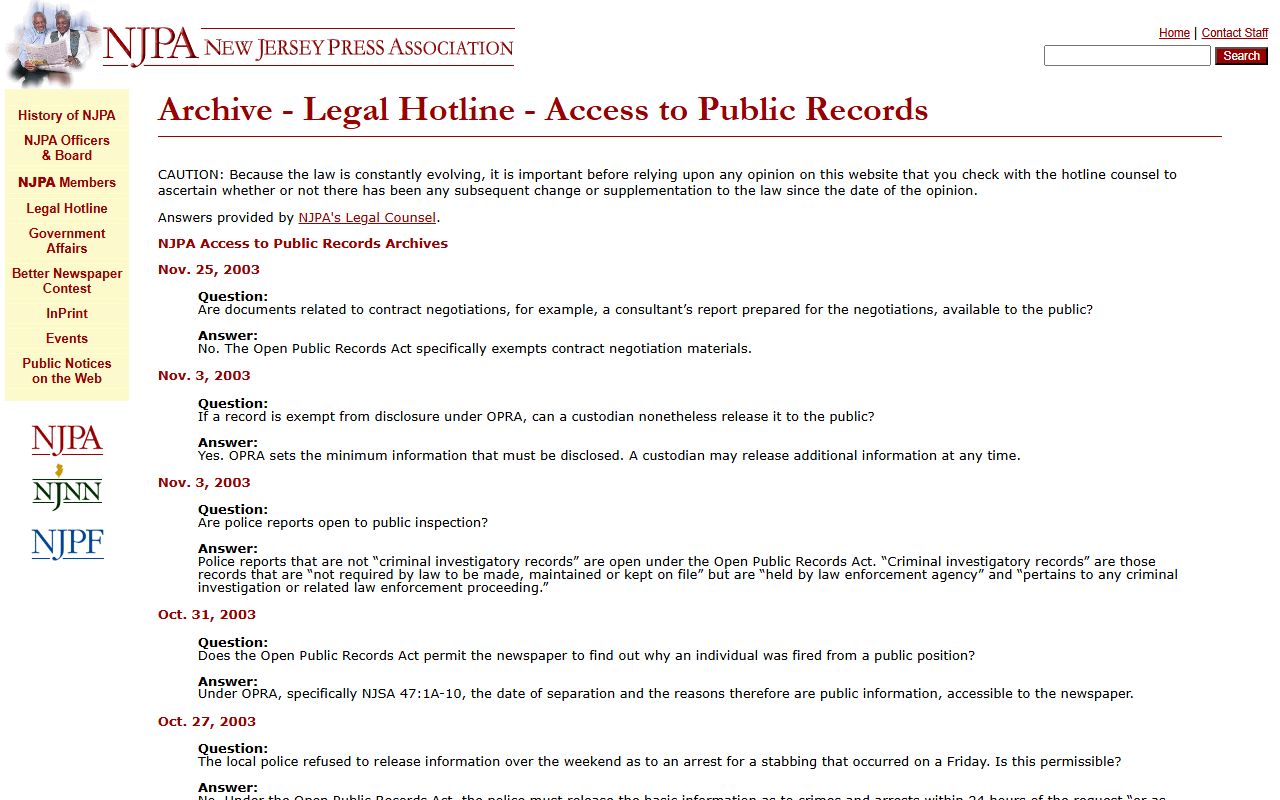
The New Jersey Press Association has noted that police blotters may be open to access under OPRA as business records of the department. A blotter is simply a listing of calls that a department responds to each day. It is not the same as a criminal investigatory file. The distinction matters because investigatory records can be exempt from public access, while routine blotter logs are not.
Some departments post their police blotter on a public website each week. Others require a written request. The level of detail varies by agency. Large cities like Newark and Jersey City handle high volumes of blotter entries each day. Smaller towns may log just a handful of calls per shift.
How to Access Police Blotter Records in New Jersey
New Jersey law gives the public a right to view police blotter data. Under N.J.S.A. 47:1A-3, when a crime has been reported, details about the type of crime, time, location, and type of weapon must be made available. If an arrest has been made, the law requires release of the defendant's name, age, residence, and occupation. It also requires the text of any charges and the identity of the arresting officers. This information must be provided within 24 hours of a request or as soon as practicable.
There are several ways to get police blotter records in New Jersey:
- Visit the local police department records division in person
- Submit an OPRA request form to the municipal clerk or records custodian
- Use the state OPRA portal to file a request online
- Check the department website for posted blotter reports
- Contact the county prosecutor or sheriff office for county-level records
The fact that a crime happened on a weekend does not let police hold back details until the next business day. Information about reported crimes and arrests must be shared as soon as it is available. Incident reports where police respond but take no further action are open records as well.
Note: Police blotter entries related to juvenile cases are generally not public under New Jersey law.
New Jersey Police Blotter and OPRA
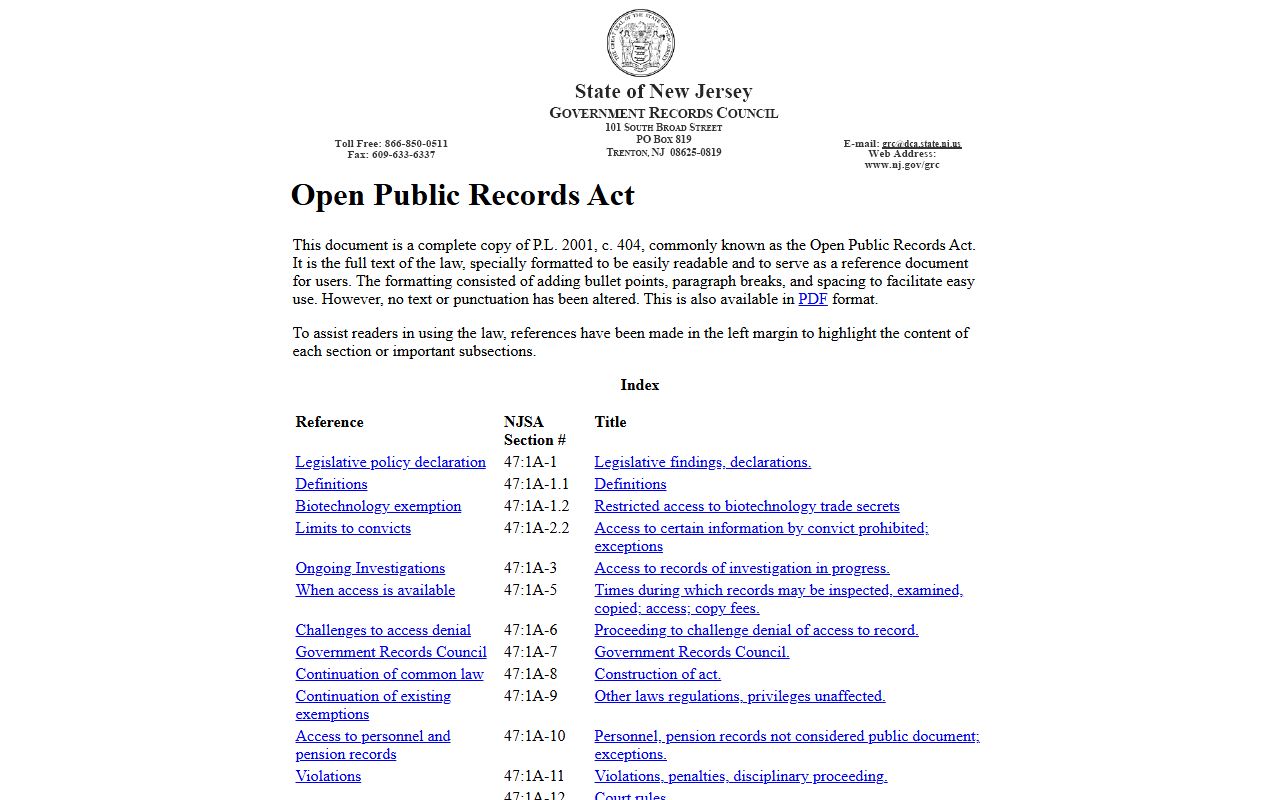
The Open Public Records Act is the main law that governs access to police blotter records in New Jersey. OPRA (N.J.S.A. 47:1A-1 et seq.) replaced the old Right to Know Law in 2002. It gives any person the right to request government records, including police logs and arrest reports. You do not need to explain why you want the records. The agency must respond within seven business days.
To file an OPRA request for police blotter records, you need to fill out a written form. The Department of Law and Public Safety provides a standard form that works for any state agency. Most local departments have their own version too. You can deliver the form in person, by mail, or through an online portal. Some towns use the Government Records Council adoptable form on their sites.
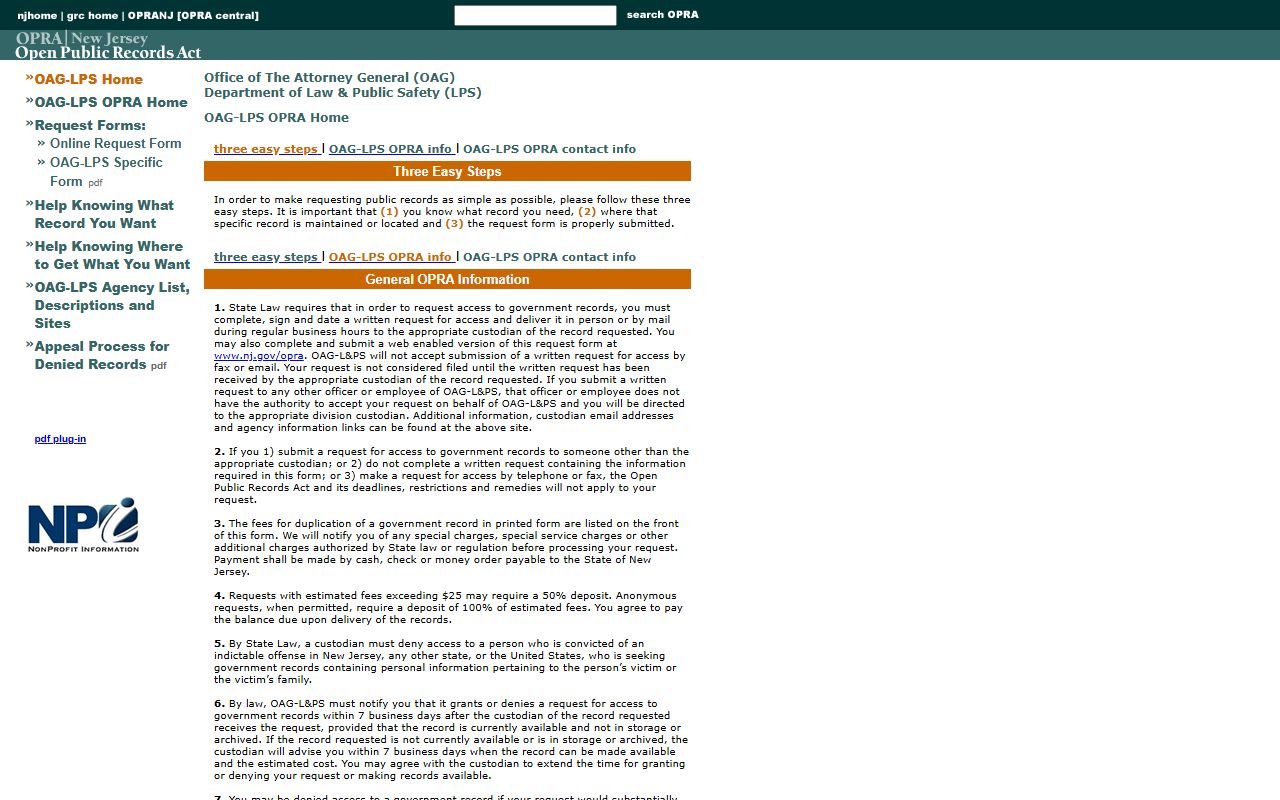
Fees for copies of police blotter records are low. Letter size pages cost $0.05 each. Legal size pages cost $0.07 each. Electronic copies sent by email are free. If a request will cost more than $25, the agency may ask for a 50% deposit up front.
Police Blotter vs. Criminal Investigatory Records
Not all police records in New Jersey are open to the public. OPRA exempts "criminal investigatory records" from disclosure. These are records not required by law to be kept that relate to a criminal investigation. A police blotter log is different. It is a routine business record that the department maintains as part of daily operations. A landmark GRC decision (Complaint #2002-08) confirmed that sheriff's office blotters and logs are subject to OPRA requests.
Continuation reports and detailed case files may be classified as investigatory. But the basic facts on a police blotter are public. This includes the type of incident, the time it occurred, and the location. If an arrest was made, the person's name and charges are also public information in New Jersey.
Note: If your request for police blotter data is denied, you can file a complaint with the Government Records Council at 866-850-0511 or in Superior Court.
New Jersey State Police and Crime Data
The New Jersey State Police maintain criminal history records and crash reports at the state level. The Criminal Information Unit handles fingerprint-based background checks. These are different from local police blotter records but relate to the same arrest data. Personal record checks cost about $45.73 and require an appointment with IDEMIA at uenroll.identogo.com or 1-877-503-5981.
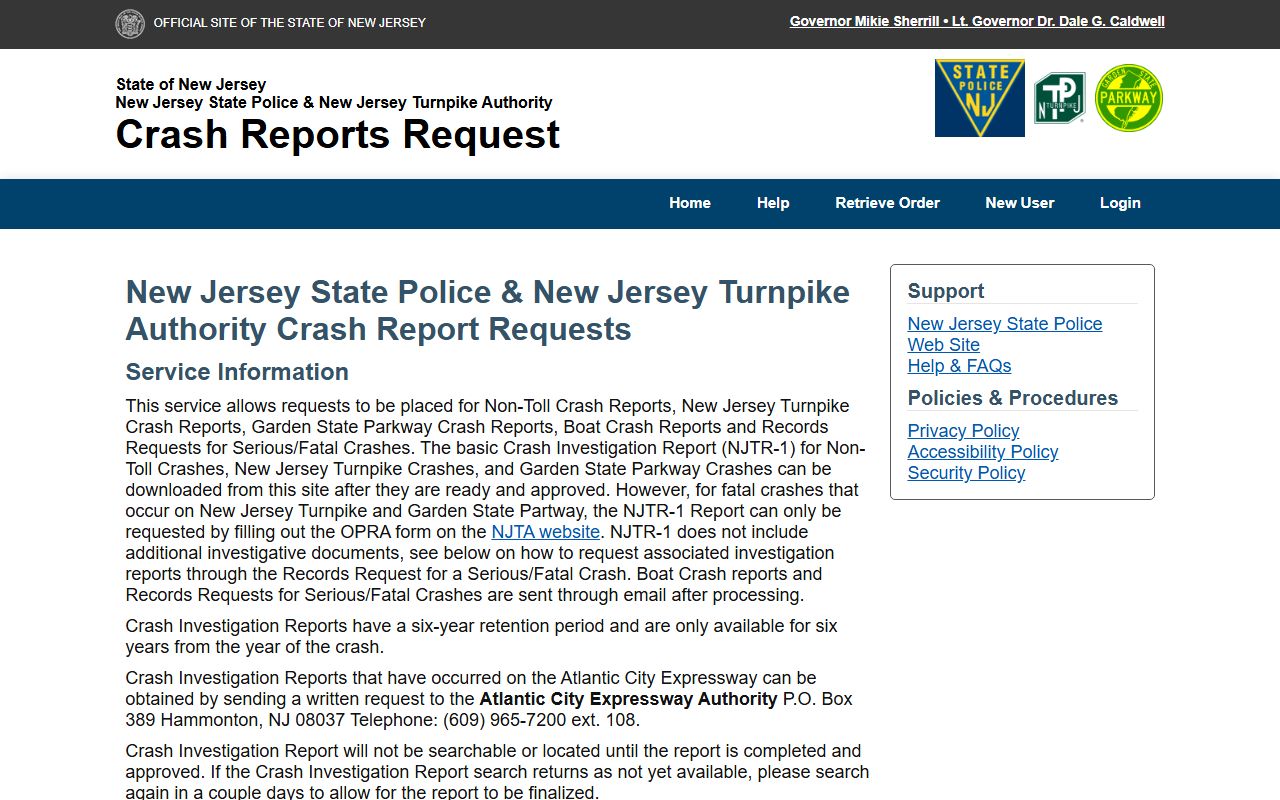
The State Police crash report portal lets you download reports for accidents on the Turnpike, Garden State Parkway, and other state roads. Each report costs $5.00 and may take up to 14 business days to post. For crashes on local roads, contact the municipal police department where it happened.
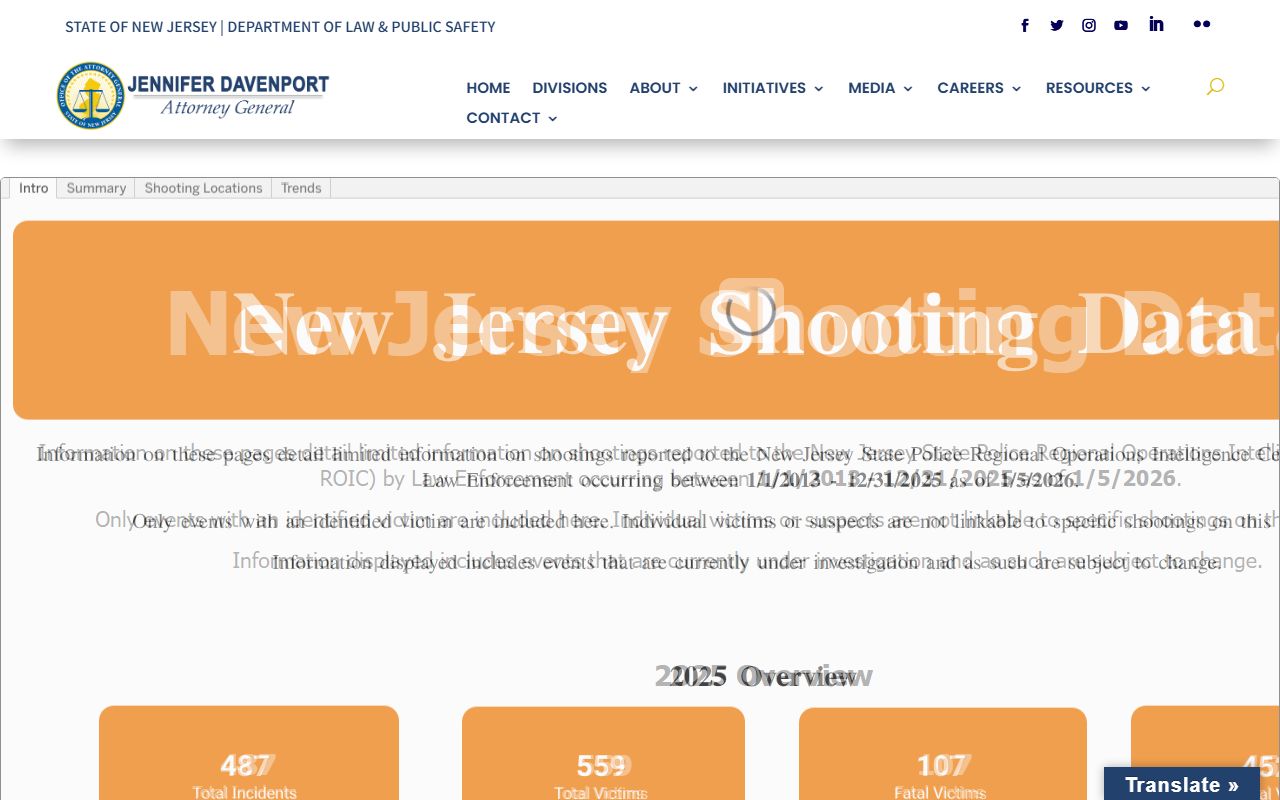
The Attorney General's Shooting Data Dashboard tracks gun violence at the municipal level across New Jersey. It shows fatal and non-fatal shootings by city. The dashboard was built by the Office of Justice Data and the State Police. Individual victims are not linked to specific incidents for privacy. This tool helps communities see local crime trends and push for resources. It is free to use and does not require registration.
Police Blotter Transparency in New Jersey
New Jersey has taken steps to increase transparency in law enforcement. Attorney General Directive 2022-14 requires each agency to publish annual reports on internal affairs complaints. These reports summarize allegations and outcomes but do not name individual officers or complainants. Agencies must also submit quarterly reports to the County Prosecutor. This adds another layer of public data beyond the daily police blotter.
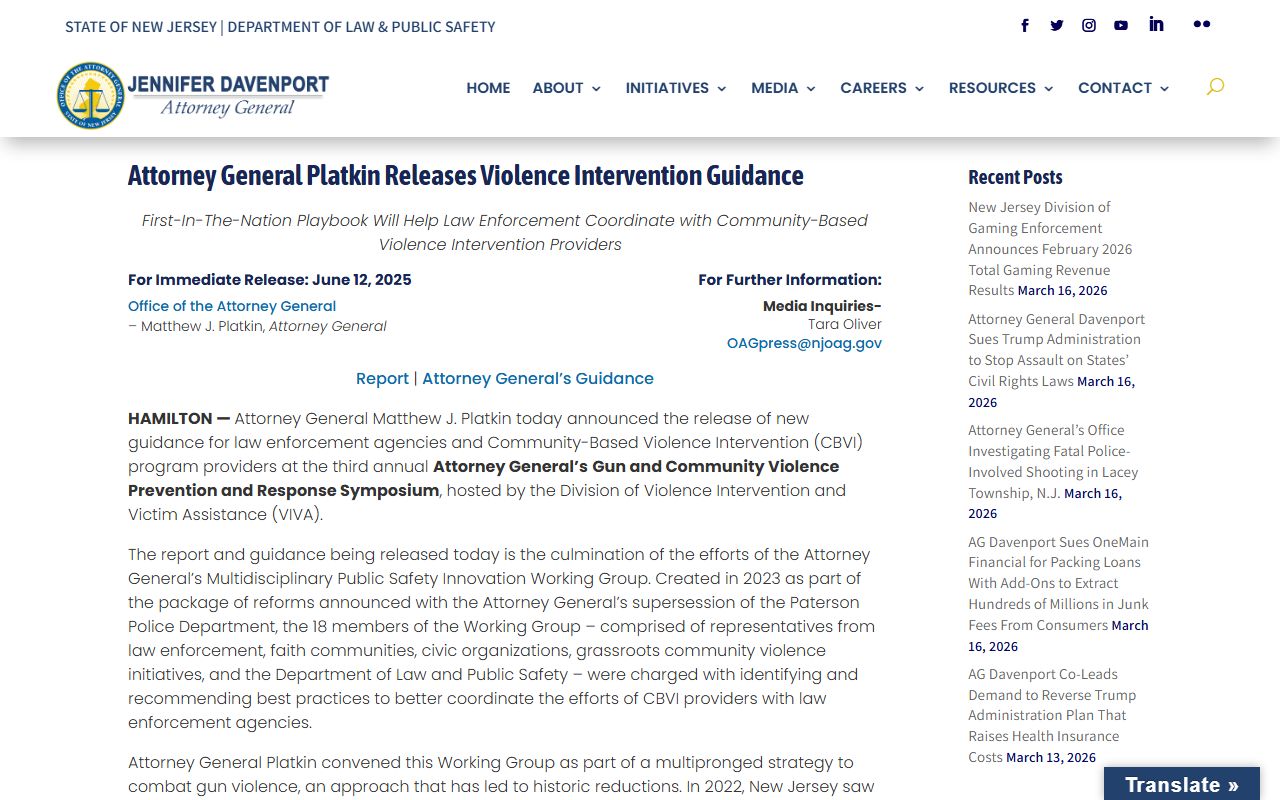
The Community-Based Violence Intervention program launched in 2021 under Governor Murphy. It supports nonprofit groups across the state that work to reduce gun violence. The program connects police blotter data with community outreach to target areas with the most need. The Attorney General's office publishes guidance on how law enforcement and community providers should work together.
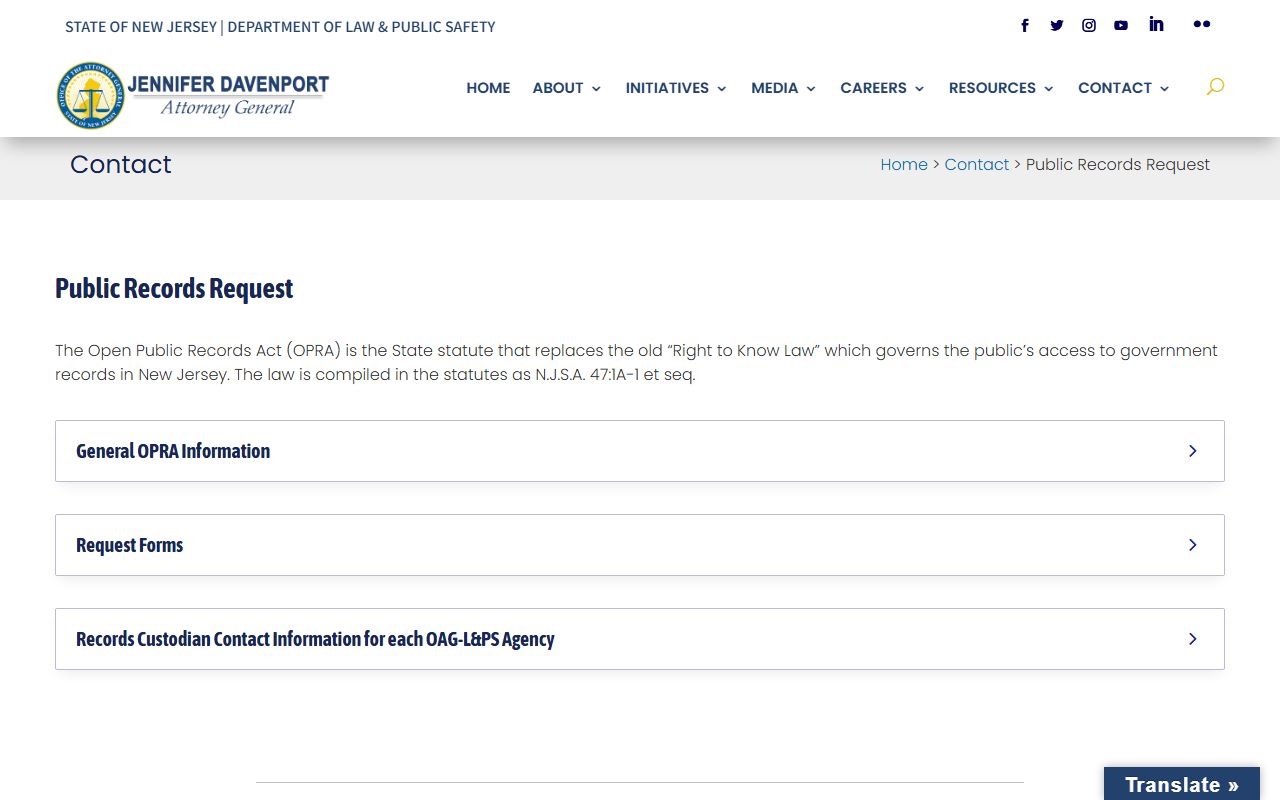
The Office of the Attorney General also accepts OPRA requests for state-level law enforcement records. Written requests must be signed and delivered to the records custodian. The office processes requests within the standard seven business day window.
Filing a Police Blotter Request in New Jersey
Every public agency in New Jersey must adopt an OPRA request form. You fill it out, sign it, and deliver it to the records custodian. Most police departments route blotter requests through the municipal clerk or a records division supervisor. Here is what a typical request needs:
- Your name and contact details
- A clear description of the police blotter records you want
- The date range or incident number if known
- Your preferred delivery method (pick up, mail, or email)
- A maximum cost you authorize for copies
The custodian must respond within seven business days. They will either grant access, deny the request with a written reason, or ask for more time if the record is in storage. If denied, you have the right to appeal. You can file a complaint with the Government Records Council or go to Superior Court. The GRC toll-free line is 866-850-0511. Their email is Government.Records@dca.nj.gov. The mailing address is PO Box 819, Trenton, NJ 08625-0819.
The GRC can impose fines on custodians who knowingly violate OPRA. First offense is $1,000. Second offense is $2,500. Third offense within 10 years is $5,000. The GRC can also award attorney fees to people who win their case.
Government Records Council and Police Blotter Access
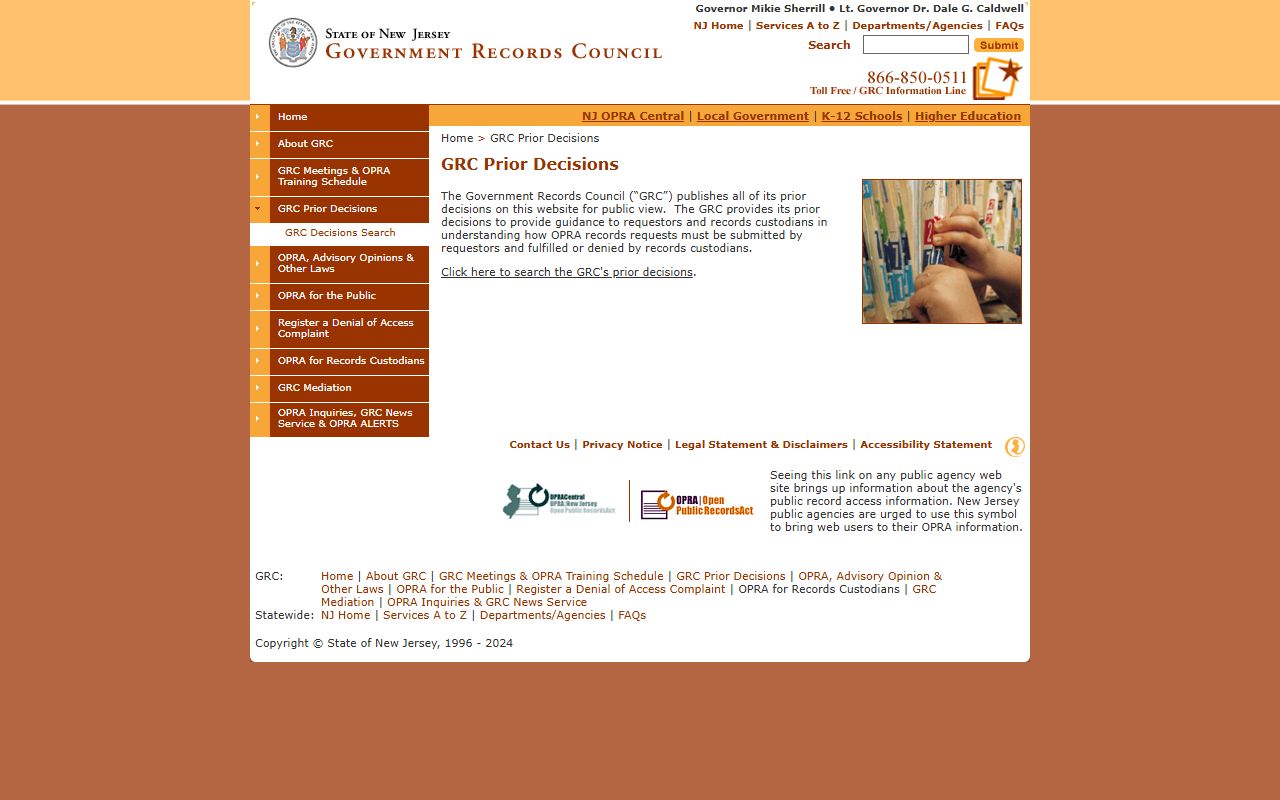
The Government Records Council is the state agency that handles disputes over access to records like police blotters. It was created under OPRA to help requestors and custodians resolve problems. The GRC publishes all of its prior decisions online. You can search by subject, agency, or complaint number. These rulings give guidance on what police blotter information must be released.
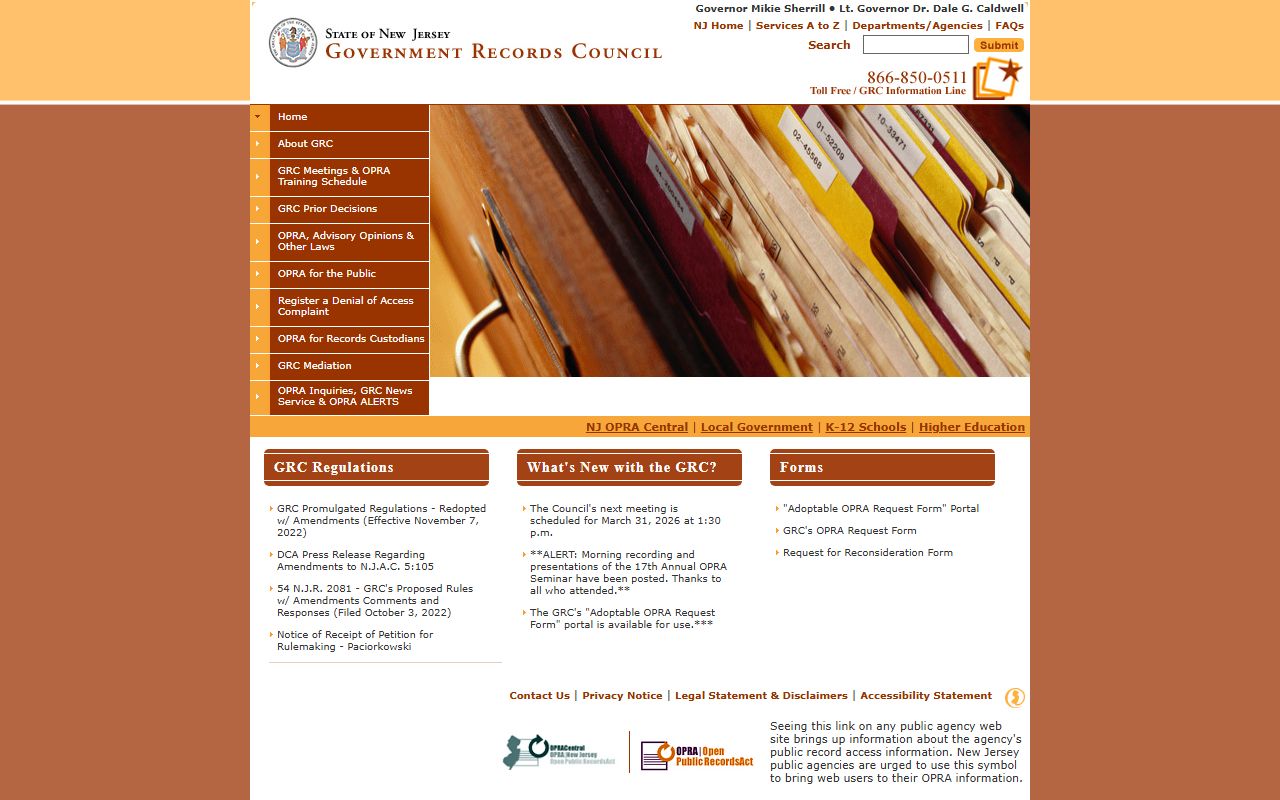
The GRC only handles complaints about denied access. It does not have authority over record accuracy or retention schedules. For records retention questions, contact Records Management Services at the NJ Department of Treasury. The GRC also has no jurisdiction over court records or legislative branch records. Its scope is limited to executive branch and local government agencies that hold police blotter data.
Browse New Jersey Police Blotter by County
Each county in New Jersey has law enforcement agencies that maintain police blotter records. Pick a county below to find local contact info and resources for police blotter data in that area.
Police Blotter in Major New Jersey Cities
Residents of major cities can search police blotter records through their local police department or municipal clerk. Pick a city below to learn about police blotter access in that area.